Have you ever wondered how hybrid cars manage to combine the power of a traditional gasoline engine with the efficiency of an electric motor? In this guide, we’ll break down the concept of hybrid cars, explaining how they work and why they’ve become a popular choice for environmentally conscious drivers.
What is a Hybrid Car?
A hybrid car is a vehicle that combines a traditional internal combustion engine with one or more electric motors. This combination allows hybrid cars to achieve better fuel economy and reduced emissions compared to traditional gasoline-powered vehicles.
How Does a Hybrid Car Work?
The exact workings of a hybrid car can vary depending on the manufacturer, but the basic principle remains the same. Here’s a simplified explanation:
- Dual Power Source: Hybrid cars have both a gasoline engine and an electric motor.
- Battery: The electric motor is powered by a battery that is recharged while driving.
- Regenerative Braking: When you brake, the electric motor acts as a generator, recharging the battery.
- Seamless Transitions: The vehicle’s computer system seamlessly switches between the gasoline engine and the electric motor, or combines the power of both, to optimize performance and fuel efficiency.
Benefits of Hybrid Cars
- Improved Fuel Economy: Hybrid cars typically offer significantly better fuel economy compared to traditional gasoline-powered vehicles.
- Reduced Emissions: By reducing the reliance on fossil fuels, hybrid cars help to lower greenhouse gas emissions.
- Quieter Operation: Electric motors provide a quieter driving experience, especially at low speeds.
- Regenerative Braking: Hybrid cars capture energy that would otherwise be lost during braking, increasing overall efficiency.
Types of Hybrid Systems
- Parallel Hybrid: In a parallel hybrid system, both the gasoline engine and the electric motor can drive the wheels independently or together.
- Series Hybrid: In a series hybrid system, the gasoline engine primarily generates electricity to power the electric motor, which in turn drives the wheels.
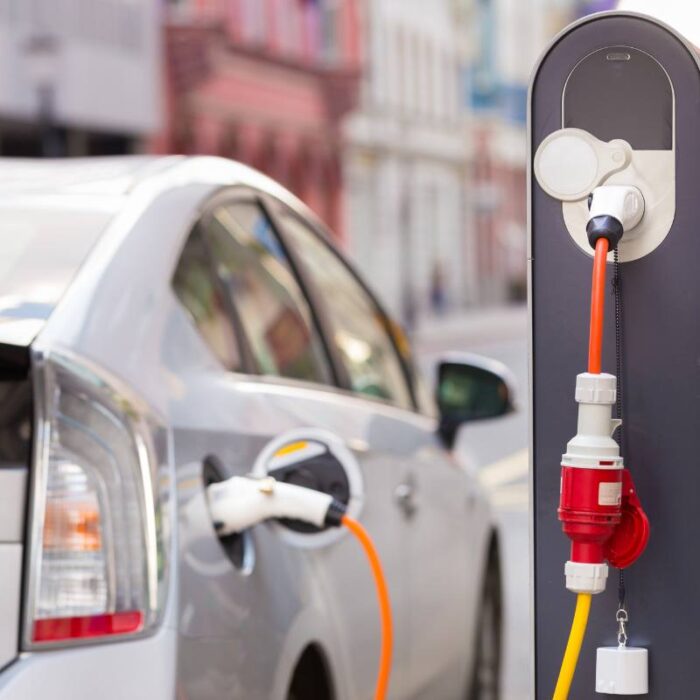
- Plug-in Hybrid: A plug-in hybrid allows you to charge the battery using an external power source, providing a longer electric-only range.

Choosing a Hybrid Car
When considering a hybrid car, factors such as:
- Fuel economy: Compare the fuel efficiency of different models.
- Battery range: If you’re considering a plug-in hybrid, consider the battery’s range.
- Features and technology: Look for features like advanced safety systems and infotainment options.
- Cost: Compare the upfront cost and long-term savings.
Conclusion
Hybrid cars offer a compelling combination of fuel efficiency, performance, and environmental benefits. By understanding how they work and the various types available, you can make an informed decision when choosing a hybrid vehicle.