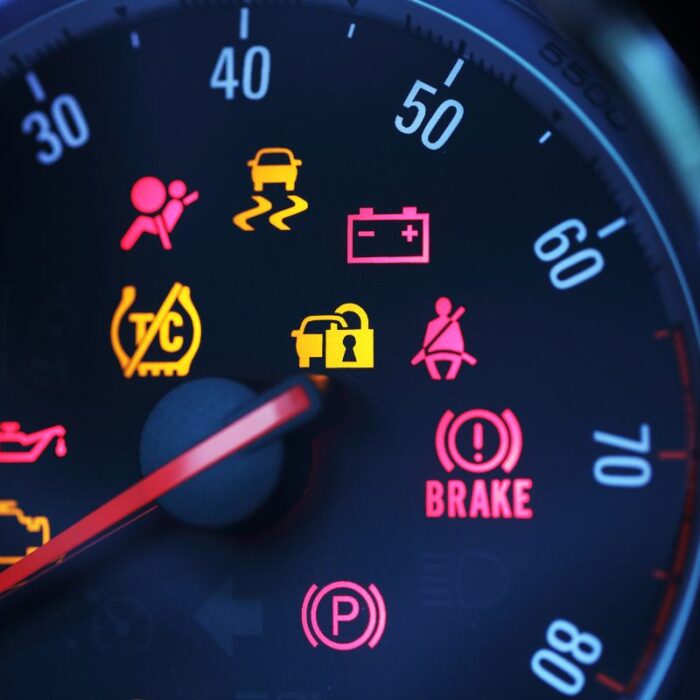
Ever looked at your car’s dashboard and wondered what those flashing lights mean? These visual cues are your vehicle’s way of communicating potential issues. While some lights may indicate a minor inconvenience, others can signal a serious problem. Let’s decode the most common flashing dashboard lights and learn how to respond to them.
Common Flashing Dashboard Lights and Their Meanings:
- Check Engine Light: This versatile light can indicate a wide range of issues, from a loose gas cap to a more serious engine problem. It’s essential to get a diagnostic code read to pinpoint the exact cause.
- ABS Light: The Anti-lock Brake System light indicates a malfunction in your ABS system. While you can still brake, the ABS won’t function as intended, which could affect braking performance in certain conditions.
- Brake Warning Light: This light usually comes on when the brake fluid is low or there’s an issue with the brake system. It’s crucial to address this promptly as it can compromise your safety.
- Oil Pressure Light: If this light comes on while the engine is running, it means your engine’s oil pressure is low. This could indicate a serious problem and should be addressed immediately.
- Overheating Light: This light indicates that your engine is overheating. Pull over to a safe location and turn off the engine to allow it to cool down.
- Battery Light: A flashing battery light usually indicates a problem with the charging system or the battery itself.
- Tire Pressure Monitoring System (TPMS) Light: This light comes on when one or more of your tires is significantly underinflated.
- Traction Control Light: This light indicates that your vehicle’s traction control system is activated or has a malfunction.
What to Do When a Warning Light Flashes
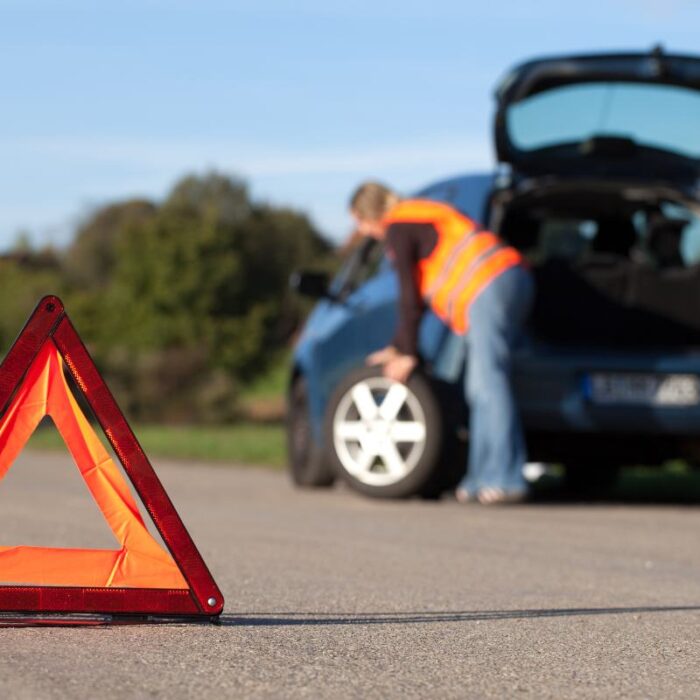
- Pull over safely: If the light indicates a serious issue, find a safe place to pull over.
- Consult your vehicle’s manual: Your owner’s manual provides detailed explanations of each warning light and recommended actions.
- Don’t ignore the warning: Ignoring a warning light can lead to more serious problems and potentially expensive repairs.
- Get your vehicle checked: As soon as possible, take your car to a mechanic for a diagnosis.

Preventing Warning Lights
- Regular maintenance: Adhere to your vehicle’s recommended maintenance schedule.
- Check fluid levels: Regularly check your engine oil, coolant, and brake fluid levels.
- Monitor tire pressure: Keep your tires inflated to the recommended pressure.
- Address issues promptly: Don’t ignore any warning lights, even if they seem minor.
Remember: While this guide covers some of the most common flashing dashboard lights, it’s not exhaustive. If you’re unsure about the meaning of a specific light, consult your vehicle’s owner’s manual or seek advice from a qualified mechanic.
By understanding the meaning of your car’s warning lights, you can take the necessary steps to keep your vehicle running safely and efficiently.